
A Double Doodle dog usually comes from crossing a Goldendoodle with a Labradoodle, combining Poodle and two retriever ancestries. You can expect variation in size, coat, and behavior rather than one predictable breed standard.
These dogs can suit active families, but low shedding never guarantees allergy compatibility or easy grooming. Start with the parent breeds, then consider whether the individual dog’s needs fit your household.
Key Takeaways
- The cross combines Poodle ancestry with two retriever lines, and puppies can vary substantially.
- You’ll need time for exercise, training, and coat care, even if your dog sheds little.
- Documented parent-health testing matters more than a designer label, unusual color, or lengthy health guarantee.
What Makes a Double Doodle Dog?
Goldendoodle and Labradoodle Parentage
A Goldendoodle combines a Golden Retriever and Poodle. A Labradoodle combines a Labrador Retriever and Poodle. Crossing those two mixes produces puppies commonly given the Double Doodle label.
If both parents are first-generation crosses, the expected ancestry is roughly 50% Poodle and 25% each retriever. Backcrossing and additional generations can change those proportions.
Unlike a Goldendoodle or Labradoodle, a Double Doodle includes both retriever breeds. However, that extra ancestry doesn’t establish a dependable difference in personality or care.
Where the Parent Crosses Began
Wally Conron developed Labradoodles in Australia for the Royal Guide Dog Association of Australia in 1988. Goldendoodle histories credit Monica Dickens, Charles Dickens’s great-granddaughter, with breeding Golden Retriever-Poodle crosses in 1969.
Those histories don’t establish a standardized Double Doodle breed. The AKC doesn’t recognize Double Doodles as a breed, and there’s no accepted breed standard.
Labels such as “multigenerational” describe breeding history. They don’t guarantee consistent size, coat, or temperament.
Double Doodle Size and Appearance
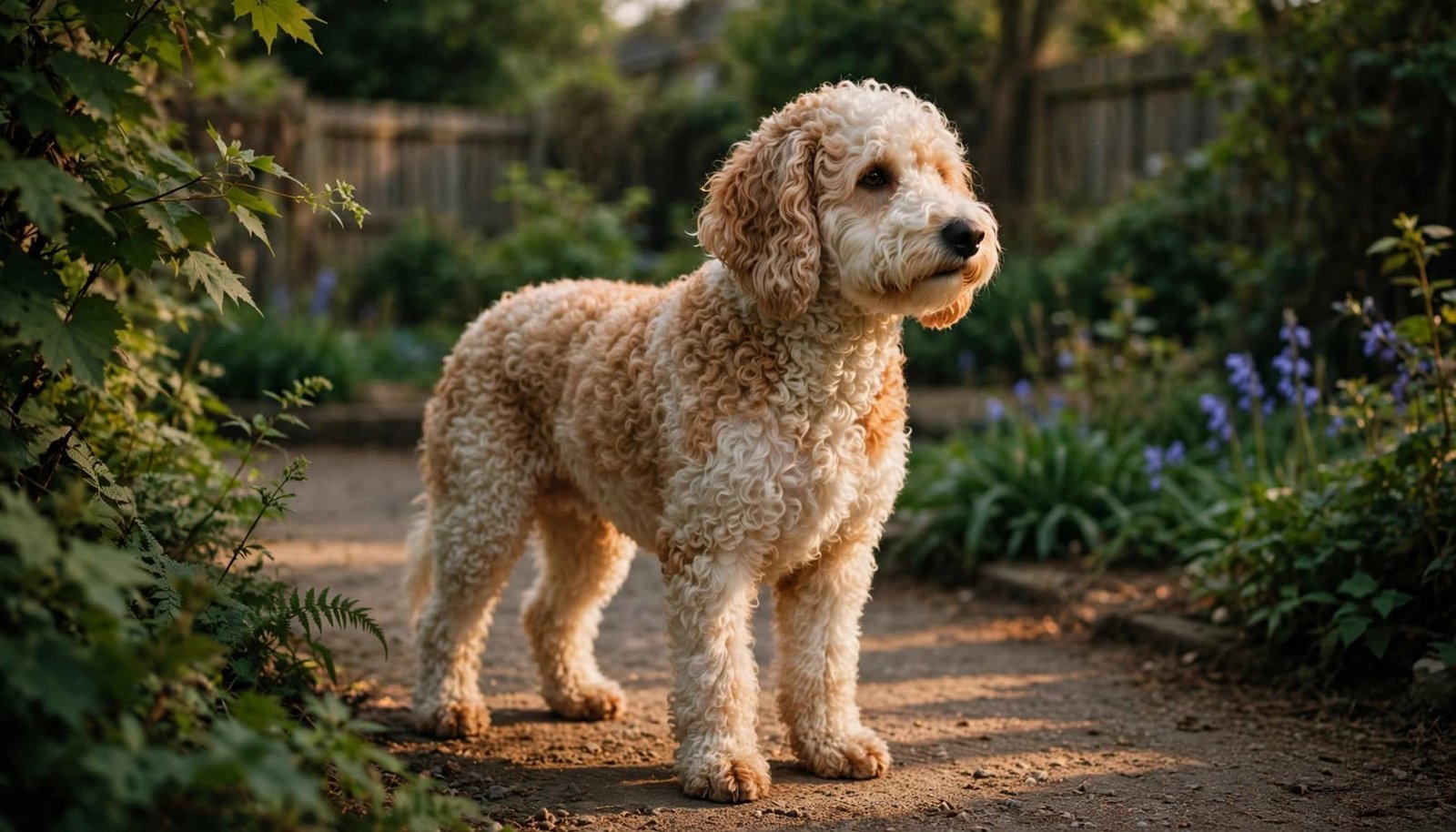
Your dog’s adult size depends heavily on the parents and Poodle varieties involved. “Mini” isn’t a standardized category, so it doesn’t always mean under 30 pounds.
These published estimates offer guidance, not guaranteed adult measurements.
| Size Label | Estimated Adult Weight | Estimated Height | Possible Coat |
|---|---|---|---|
| Standard | 50 to 80 pounds | 20 to 29 inches | Straight, wavy, or curly |
| Traditional Mini | 25 to 40 pounds | Not standardized | Straight, wavy, or curly |
| Petite Mini | 8 to 25 pounds | Not standardized | Straight, wavy, or curly |
US Service Animals gives the standard range above. The two mini ranges are Crockett Doodles’ seller-specific categories. Broader profiles sometimes group 30-to-80-pound dogs together, which helps explain conflicting size descriptions.
Both parents’ measurements and mature dogs from previous litters provide more useful context than the label alone.
Colors include cream, black, brown, white, caramel, apricot, red, and tan. Depending on ancestry, parti-colored or merle patterns may occur. A black-coated dog needs the same screening and care as any other color.
Temperament and Family Compatibility
Friendly Traits Still Need Training
A dog’s temperament may include sociability, affection, and enthusiasm for learning. However, genetics, early experiences, and daily handling all influence behavior.
A double doodle’s intelligence doesn’t remove the need to teach settling, loose-leash walking, or comfortable alone time. Reward calm greetings while all four paws remain on the floor. Otherwise, an excited puppy can become a large adolescent with established jumping habits.
Match the Dog to Your Household
They can be good family dogs when you can support their activity and grooming needs. No ancestry guarantees safe behavior around children or other pets.
Their suitability as family dogs depends on adult supervision and teaching children to respect the dog’s space. Protect the dog’s resting area, and teach children to leave food and chews alone. Smaller dogs still need training and rest.
If uncertainty worries you, an adult dog with an observed temperament can offer a clearer starting point than a puppy.
Shedding, Allergies, and Grooming
Are Double Doodles Hypoallergenic?
No dog is guaranteed hypoallergenic. The AAAAI’s dog-allergy guidance explains that even low-shedding dogs can trigger reactions because allergens aren’t limited to hair.
Some Double Doodles leave noticeable hair around your home. Others shed less visibly because loose strands stay caught in curls. Puppies may also shed as their adult hair develops.
If allergies affect your household, speak with an allergist before committing. Time with the individual dog can help you assess your response, but it can’t guarantee future tolerance.
A coat that leaves little hair on your sofa can still trigger allergies and require substantial coat care.
Brush Beneath the Surface
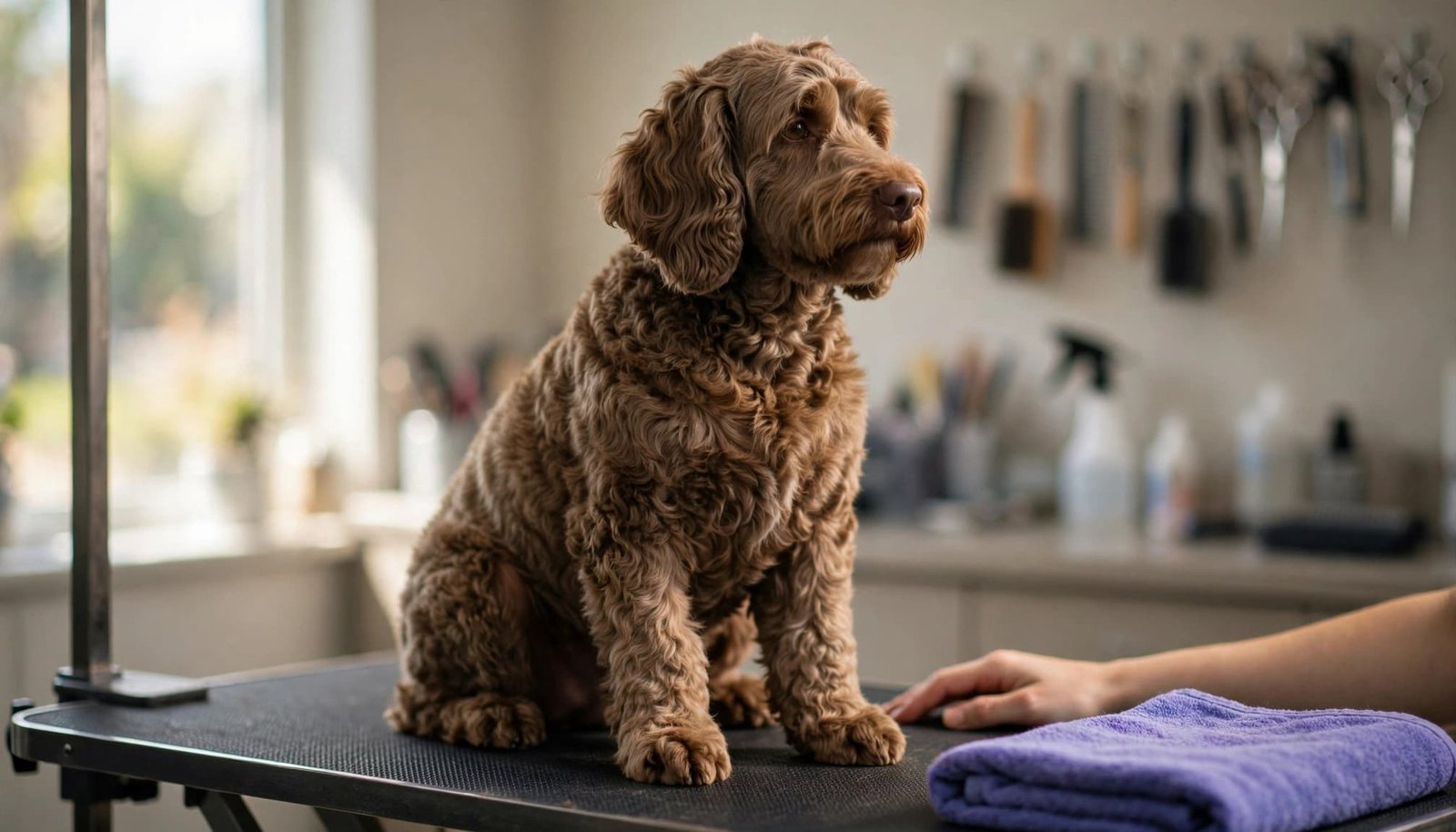
Inspect the coat daily, particularly behind the ears, beneath collars, and under the legs. Dense or long hair often needs daily brushing; shorter, easier coats may need less frequent sessions.
Use a suitable slicker brush, then a metal comb to find missed tangles. Don’t pull harder when the comb catches.
Professional grooming about every six weeks is a useful planning point, although some dogs suit six-to-eight-week intervals. Bathing every few weeks may fit some coats, but skin condition and activity matter. Leave tight mats to a groomer, and don’t cut them with household scissors.
Exercise, Training, and Feeding
Plan for Daily Activity
About an hour of moderate daily exercise is a reasonable starting estimate for a healthy adult. Some profiles suggest roughly 14 miles of walking weekly, but that isn’t an additional mileage requirement.
Combine sniffing walks with suitable play and brief reward-based training. Food searches can provide mental activity without constant running or fetch.
Puppies need shorter, age-appropriate outings rather than an adult exercise schedule. Likewise, adjust activity for heat, fitness, and joint problems. Your dog also needs opportunities to rest.
Feed the Individual Dog
Some breed profiles suggest 2.5 to 3 cups of dry food daily for adults. That amount may suit certain medium or standard dogs, but it’s unsuitable as a universal ration, especially for petite minis.
Food calories vary substantially. Base portions on the food’s energy density, your dog’s body condition, and veterinary advice. Count treats and chews within the daily allowance.
Some guides recommend glucosamine-enriched food. However, your dog doesn’t automatically need joint supplements because of its ancestry. A balanced diet, appropriate weight, and individualized treatment matter more than buying supplements preemptively.
Health Risks and Expected Lifespan
Commercial profiles commonly estimate a Double Doodle lifespan of 12 to 15 years. Treat that as a planning range rather than an established breed-wide average or promise.
Potential inherited concerns include hip dysplasia, elbow dysplasia, and progressive retinal atrophy. Ear infections also deserve attention. A mixed-breed pedigree doesn’t automatically protect your dog against conditions associated with its ancestors.
For Golden Retriever ancestry, the Golden Retriever Club’s screening guidance covers examinations beyond a DNA panel, including hips, elbows, eyes, and heart. Poodle recommendations differ by variety, so one generic genetic test doesn’t cover every relevant risk.
Arrange preventive veterinary care and watch for limping, persistent itching, ear odor, or changes in appetite. These aren’t normal features you should accept because your dog is a doodle.
As your dog ages, report reduced stair climbing or reluctance to move. Pain may be treatable, and shorter grooming appointments can improve comfort.
Double Doodle Prices and Responsible Acquisition
Understand the Purchase Price
Published quotes commonly fall between $1,500 and $2,000. Crockett Doodles advertises a $1,000-to-$2,000 base price, with additions for traits such as size, coat, color, and gender.
Crockett’s Double Doodle pricing and size categories include a $400 Traditional Mini surcharge and a $600 Petite Mini surcharge. These are seller examples, not national transaction averages.
Crockett also advertises a 12-year health guarantee and $100 discounts for military members, veterans, first responders, teachers, and referrals. A discount or guarantee doesn’t replace screening records.
Beyond acquisition, budget for veterinary care, training, equipment, and grooming. Salon visits every six to eight weeks mean roughly seven to nine appointments a year.
Use a Concrete Breeder Checklist
Before paying a deposit, use these checks when evaluating an ethical breeder:
- Obtain identified results for both parents, including applicable hip, elbow, and eye screening, plus tests relevant to their Poodle variety and retriever ancestry.
- Read the actual results. An OFA CHIC number means required testing was completed and disclosed, not that every result was normal.
- Expect the seller to have an established veterinary relationship, clear medical records, and meaningful information about socialization and living conditions.
- Require a written contract that explains health terms and the seller’s responsibility to take the dog back.
An ethical breeder should welcome questions about each item and provide records before you commit.
Rescue is another option, particularly if you want an adult with a more observable size and coat. Contact rescue groups to ask about the dog’s care and household fit. A rescue dog’s ancestry may be uncertain, so prioritize documented care and compatibility with your home.
Choose the Dog You Can Support
The label tells you about ancestry, while the individual dog determines your daily care routine. Coat maintenance, training, and health records deserve more attention than color or marketing promises.
Choose documented care and a suitable temperament over a designer label. Realistic expectations give you a stronger foundation than promises of effortless ownership.
Frequently Asked Questions
Are Doodles Double-Coated Dogs?
“Doodle” doesn’t identify one coat structure. Retriever and Poodle ancestry can produce different densities and textures. Have an experienced groomer assess your dog’s coat before choosing an undercoat-removal tool.
Are Double Doodles Good Hunting Dogs?
Some individuals may show useful retrieving instincts. However, ancestry alone doesn’t establish dependable working ability. If hunting is your priority, evaluate demonstrated performance, relevant health clearances, and training needs rather than the Double Doodle label.
Is a Double Doodle a Good First Dog?
One can be, if you can support regular grooming, daily exercise, and consistent training. An adult with an observed temperament may reduce some uncertainty. If predictable low-shedding traits matter most, a responsibly bred Poodle is another option, although Poodles still need substantial care.