Lancaster Puppies quotes $2,000 to $4,000 for a Double Doodle puppy, although individual asking prices can fall outside that range. Your breeder fee should cover documented care, including parent-health screening, puppy medical records, early handling, and clear contract terms.
A higher Double Doodle dog price doesn’t automatically mean better breeding, and a starter bag doesn’t justify missing health records. Start by separating the advertised price from what you’re actually receiving.
Key Takeaways
- Compare documented health testing and puppy care before comparing color, size, or discounts.
- Expect written medical records, payment terms, health provisions, and an explanation of early socialization.
- Keep money available for veterinary care, training, and grooming after pickup, even when your breeder includes initial services.
What Does a Double Doodle Puppy Cost?
Advertised Prices Aren’t Completed Sales
Lancaster Puppies’ FAQ gives a $2,000 to $4,000 estimate. However, an October 2026 search-index snapshot of its listings showed asking prices between $500 and $2,500. That snapshot wasn’t a complete listing audit.
These figures describe advertised prices, not a national average of completed sales. You can’t judge breeder quality from either end of the range.
Instead, compare what’s included. The practical questions to ask a breeder cover parent testing and supporting records, which give you more useful information than price alone.
Miniature Size Can Add a Surcharge
Crockett Doodles provides one seller example: an advertised $1,000 to $2,000 base price, plus a $400 Traditional Mini surcharge or $600 Petite Mini surcharge. Those figures aren’t national transaction averages.
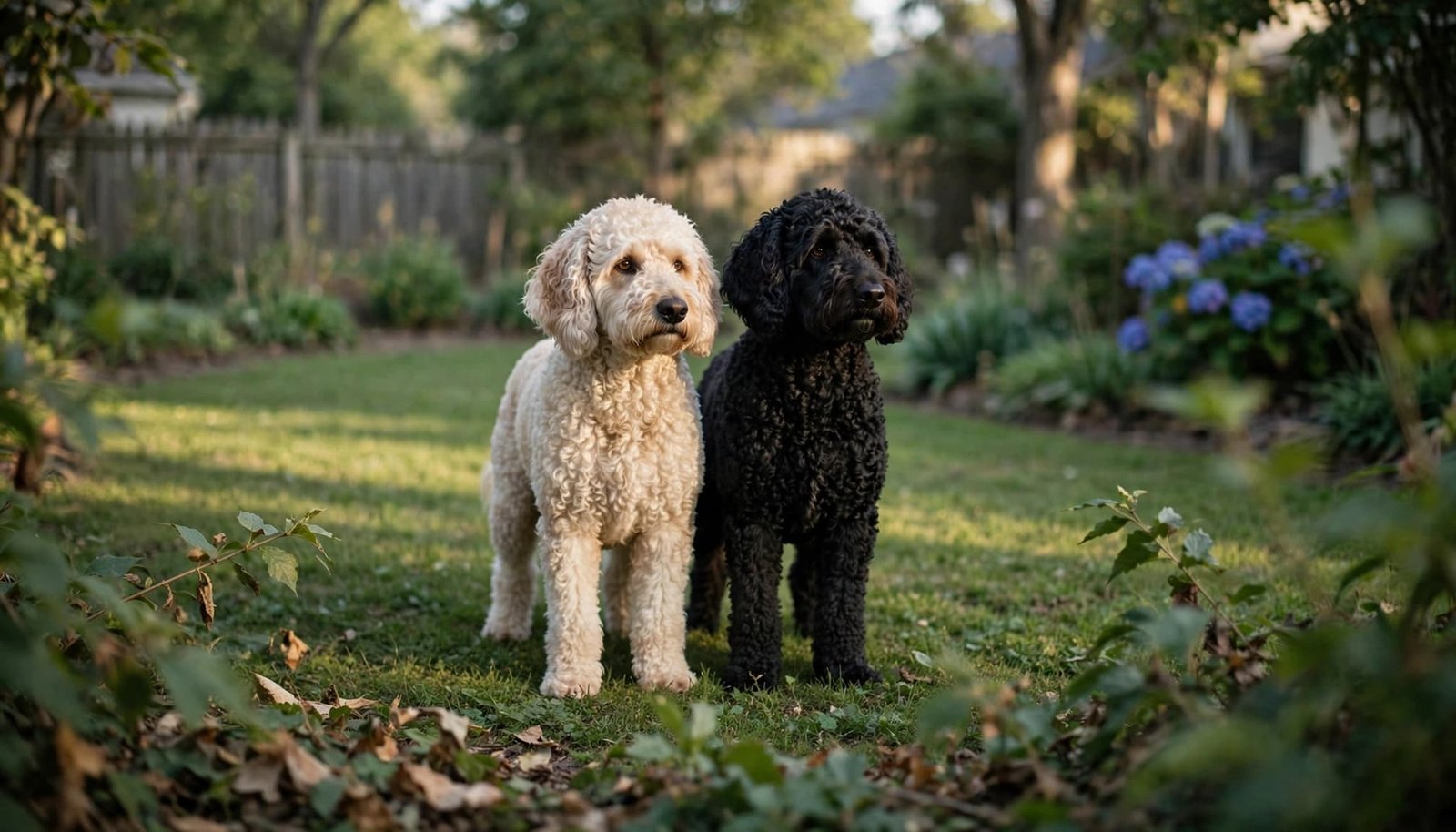
Your quote may also reflect coat, color, or gender. However, a black Double Doodle needs the same health screening as a cream puppy.
Treat appearance premiums separately from care costs. A smaller puppy or unusual marking doesn’t establish better health, easier training, or lower lifetime expenses.
What Your Breeder Fee Should Cover
Puppy Care With Usable Medical Records
You should receive records identifying your puppy and documenting the care already provided. These should include veterinary examination findings, vaccination dates, parasite treatments, and any known medical concerns.
If microchipping is included, the handoff should provide the identification number and registration instructions. A chip without usable ownership information leaves an unfinished task.
Age-appropriate care doesn’t mean your puppy has completed every vaccination or preventive treatment. Your veterinarian will use those records to plan what comes next.
The CVS veterinary group’s responsible-breeder guidance provides useful context for the care and information you should receive.
Early Handling and a Practical Handoff
Your fee should also reflect the puppy’s upbringing. Useful information describes gradual exposure to household sounds, gentle handling, and age-appropriate experiences.
A socialized puppy will still need training. Early experiences give you a starting point; they don’t guarantee effortless behavior.
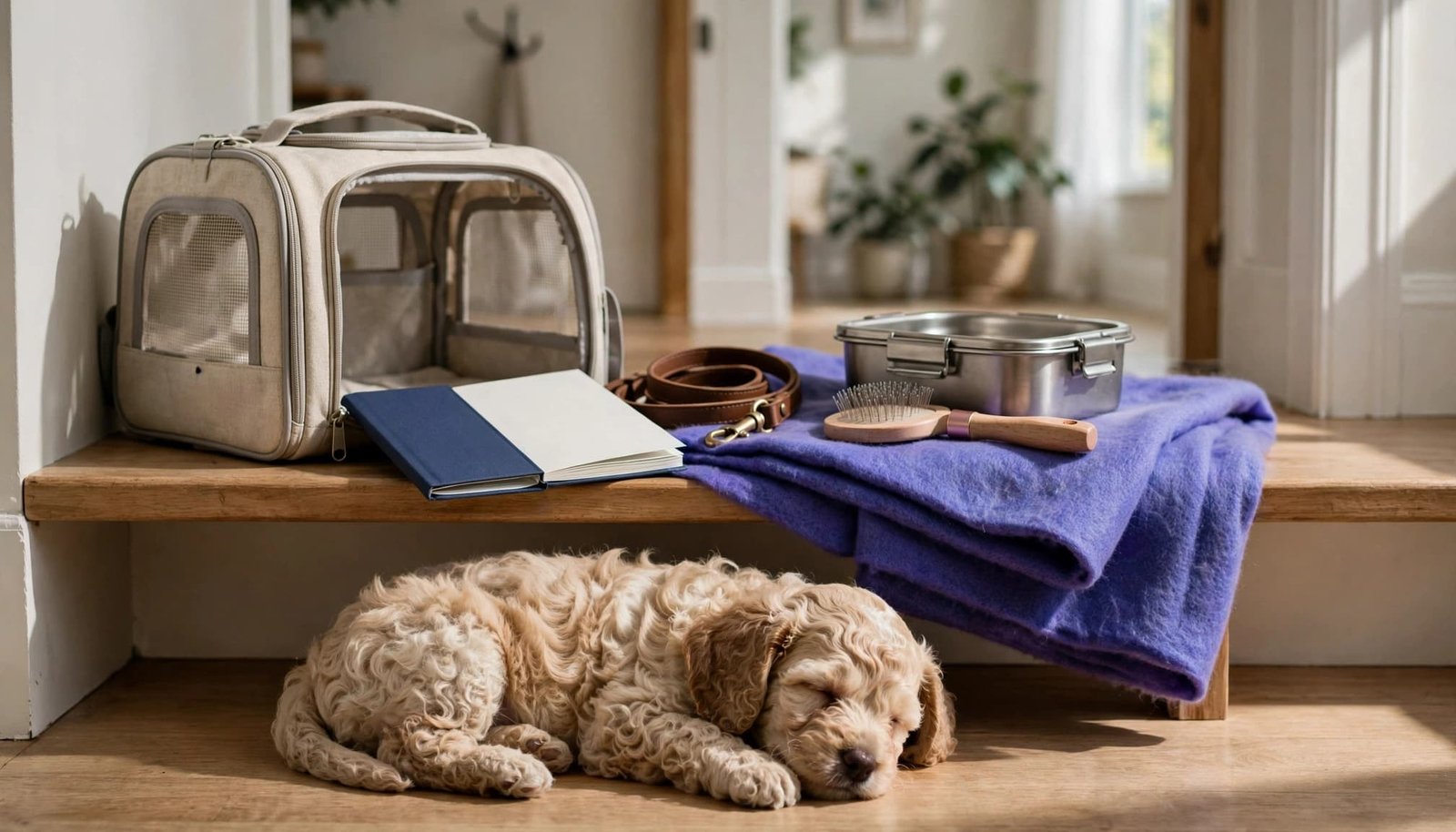
At pickup, you should receive the current food and feeding schedule, routine information, and a clear way to obtain breeder support. Starter food or a familiar blanket can ease the transition.
However, accessories are a small part of the value. A carrier, toy bundle, or branded folder can’t replace sound breeding decisions.
Parent Health Testing Is the Main Value
Screening Must Reflect All Three Ancestries
A Double Doodle usually combines Golden Retriever, Labrador Retriever, and Poodle ancestry. Your breeder’s screening should account for those lines and the Poodle variety involved.
Golden Retriever screening includes hips, elbows, eyes, and heart. Labrador ancestry also brings relevant joint, eye, and inherited-disease considerations. Poodle recommendations differ by variety.
The Goldendoodle Association of North America includes physical examinations and breed-relevant genetic testing in its standards. However, those association standards aren’t universal legal requirements for Double Doodle breeders.
You should receive identified results for both parents. The OFA’s information for prospective owners explains why documented screening matters when choosing a puppy.
A DNA Panel Isn’t Complete Screening
A general veterinary examination, ancestry report, and DNA panel answer different questions. None replaces every relevant orthopedic, eye, or cardiac evaluation.
Also, preliminary hip results aren’t the same as final adult certification. OFA offers preliminary evaluations before 24 months, while final certification follows its adult-age requirements.
An OFA CHIC number means the required tests were completed and disclosed. It doesn’t mean every result was normal.
Your veterinarian can help interpret what the results cover and which risks remain. Even well-screened parents can’t guarantee a puppy will never develop disease.
Read the Contract Before Paying a Deposit
Your contract should explain the full transaction before money changes hands. Vague promises about a “healthy puppy” leave too much room for disagreement.
These terms deserve clear written answers.
| Contract Item | What Your Written Terms Should Explain |
|---|---|
| Total price | The puppy price, applicable surcharges, and separate charges |
| Deposit | Whether it applies to the balance and when it’s refundable or transferable |
| Health provisions | Covered conditions, deadlines, exclusions, and available remedies |
| Return responsibility | What happens if you can no longer keep the dog |
The useful comparison is the breeder’s actual responsibility, rather than the guarantee’s headline length.
For example, Crockett Doodles advertises a 12-year health guarantee. That duration alone doesn’t describe every condition covered or the remedy available.
You should also have meaningful information about the dogs’ living conditions and upbringing. Stop Online Puppy Mills’ responsible-breeder checklist covers these broader expectations.
Pressure to pay immediately or unexplained records deserves caution. Neither a discount nor a polished website resolves those concerns.
Understand the Dog Behind the Price
Parentage and Size Aren’t Standardized
A Double Doodle typically comes from crossing a Goldendoodle with a Labradoodle. That combines Poodle ancestry with both Golden Retriever and Labrador Retriever lines.
The AKC doesn’t recognize the Double Doodle as a breed, and there isn’t an accepted breed standard. Consequently, “mini,” “medium,” and “standard” don’t provide universal size limits.
Broad commercial estimates place some mini adults around 15 to 30 pounds and larger dogs around 50 to 80 pounds. These are planning ranges, not promises.
Your puppy may develop a curly, wavy, or straighter coat. Appearance can also change as the adult coat develops.
Temperament Matters More Than the Label
Double Doodles can be affectionate, sociable family companions. However, genetics, early experiences, and daily handling all influence temperament.
Your purchase price doesn’t eliminate the need to teach settling, comfortable alone time, or calm greetings. An energetic adolescent may need considerably more support than the puppy you first meet.
For a family with children, supervision and protected resting space matter regardless of ancestry. Smaller size doesn’t remove those responsibilities.
If puppy uncertainty feels overwhelming, an adult dog with an observed temperament may offer a clearer starting point. Adoption can also reduce upfront acquisition costs, although ancestry may be uncertain.
Budget Beyond the Purchase Price
Veterinary Care and Equipment Continue
Breeder-provided care can reduce immediate expenses, but it won’t cover your puppy’s entire first year.
Spectrum Care estimates $450 to $1,800 for a healthy puppy’s first-year veterinary care in 2025-26. Separately, Betterpet estimates $315 to $1,140 for setup supplies. These aren’t Double Doodle-specific figures.
Your own spending will depend on care already provided, location, and medical needs. Training, food, and emergency treatment require additional room in your budget.
Keep those expenses separate from the puppy payment so the purchase doesn’t consume your entire care fund.
Grooming Is a Recurring Commitment
A six- to eight-week salon schedule means roughly seven to nine appointments annually. Your dog’s coat, haircut, and size will affect the work involved.
Between appointments, dense or long coats may need daily brushing and careful combing. Loose hair can remain trapped inside curls and contribute to mats.
A “low-shedding” sales pitch shouldn’t reduce your grooming budget. If regular salon care and home maintenance would strain your schedule, that matters more than an affordable deposit.
Frequently Asked Questions
Are Double Doodles Hypoallergenic, and Do They Shed?
No dog is guaranteed hypoallergenic. Your Double Doodle may shed noticeably or retain loose hair within curls. Puppies can also shed as their coats change.
Allergens aren’t limited to hair, so low shedding doesn’t guarantee allergy compatibility. If allergies affect your household, an allergist can help you assess the risks before committing.
Are Doodles Double-Coated Dogs?
“Doodle” doesn’t identify one consistent coat structure. Your dog may inherit varying density and texture from retriever and Poodle ancestry.
An experienced groomer can assess the individual coat before you choose an undercoat-removal tool. The breeder’s label alone doesn’t establish which equipment or grooming routine will suit your dog.
How Long Do Double Doodle Dogs Live?
You’ll often see a lifespan estimate of 12 to 15 years. However, that isn’t an independently established breed-wide average or a guarantee.
Use it as a broad planning estimate. Your dog’s size, inherited health, preventive care, and individual medical history will influence longevity and the support needed in later life.
Are Double Doodles Good First Dogs or Hunting Dogs?
A Double Doodle can be a suitable first dog if you can support consistent training, exercise, and grooming. Your household’s capacity matters more than the designer label.
Some individuals show retrieving instincts. However, if hunting is your priority, demonstrated working ability and suitable health clearances matter more than ancestry alone.
Choose Documented Care Over a Premium Label
Your Double Doodle’s price becomes meaningful when you can connect it to documented care and clear breeder responsibilities. Health records and thoughtful upbringing deserve more weight than color premiums or gift bags.
Keep enough money and time available for the dog after pickup. A sound purchase gives you a supported starting point, while daily care builds the relationship that follows.