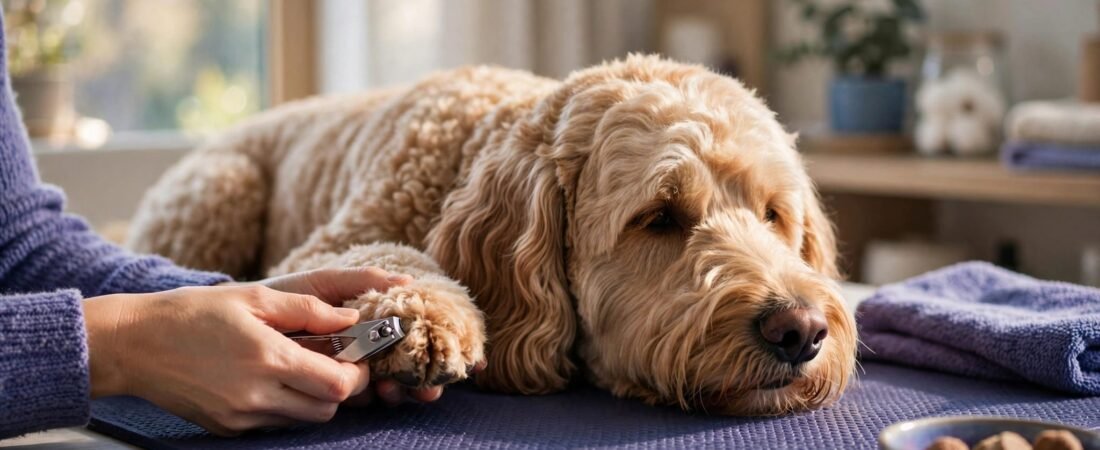
Make doodle nail trims less stressful by practicing gentle paw handling, rewarding small steps, and trimming only while your companion stays comfortable. One calm nail is a useful success, even when the other paws wait.
Your Goldendoodle, Labradoodle, Bernedoodle, or Double Doodle needs a routine suited to their comfort and nail growth. Start with the setup and handling practice before reaching for the clippers.
Key Takeaways
- Practice touching paws without trimming, so handling doesn’t always predict a procedure.
- Take small amounts, protect the quick, and stop when they show discomfort.
- Inspect nails weekly, but adjust trimming to growth and wear rather than your haircut calendar.
Prepare for Calmer Doodle Nail Trims
Set Up a Stable, Quiet Space
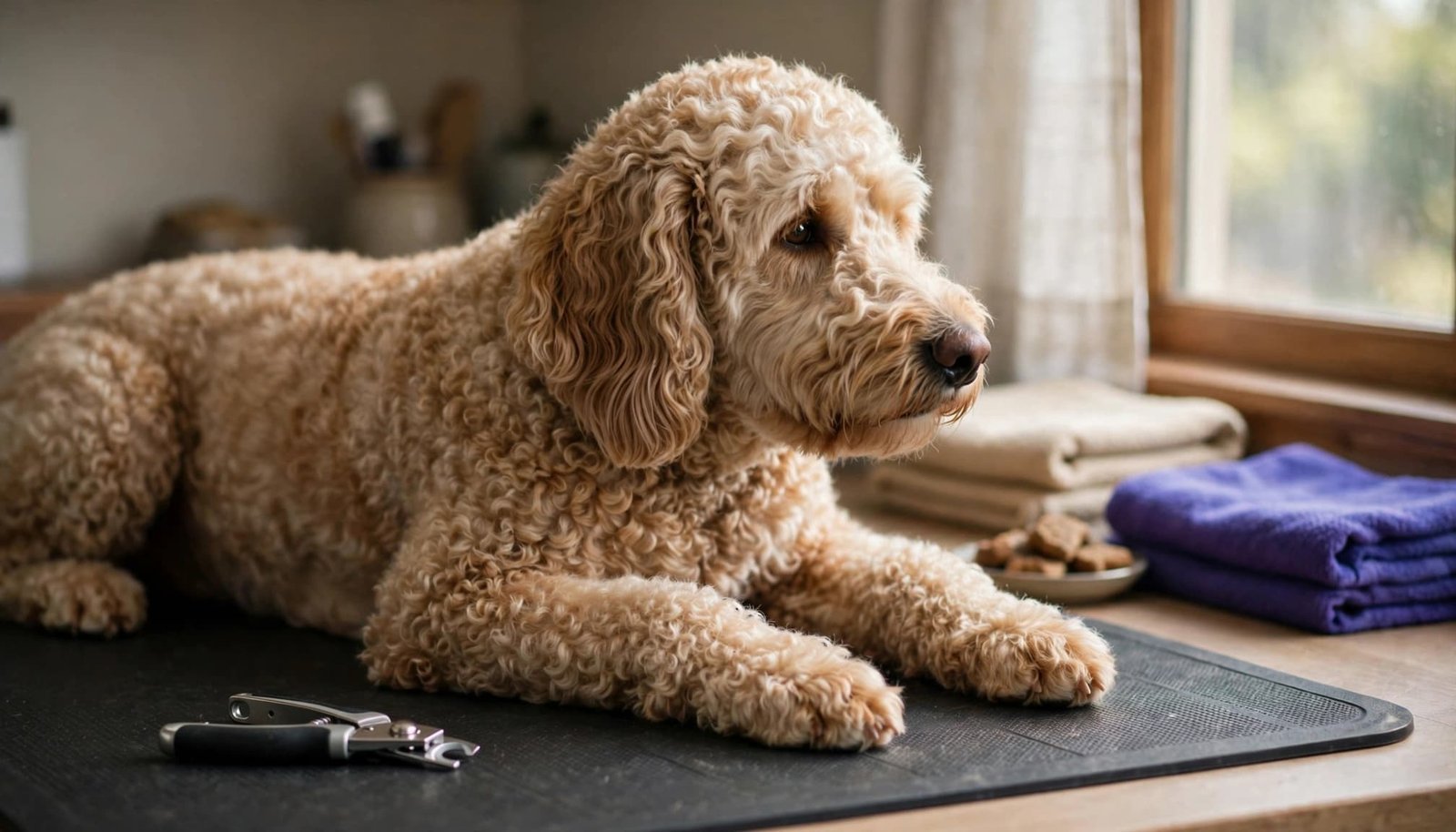
Choose a well-lit room and a nonslip surface at floor level. Gather a clipper sized for your companion’s nails, small treats, clean gauze, and pet styptic powder before you begin.
Let your companion sit or lie comfortably rather than balancing on a slippery table. Keep other pets elsewhere, especially if treats create competition in your multi-doodle household.
Part the paw hair enough to see each nail clearly. If tight mats block your view or pull the skin, leave that area to a professional instead of cutting blindly.
Practice Handling Without Cutting
Start during a calm moment with a brief touch to the shoulder or leg, then give a treat. Gradually progress to touching a paw, briefly supporting it, and releasing it.
Introduce the clippers separately: show them, offer a reward, and put them away. Move closer only while your companion stays relaxed, and practice the clipping sound away from their paws first.
For puppies, include this work in your grooming handling and socialization routine. Adult companions can learn too, although a history of frightening trims may call for smaller steps.
Trim One Nail at a Time
Your first goal is a clear view and a comfortable companion. You don’t need to complete every nail during the first session.
Find the Quick Before Cutting
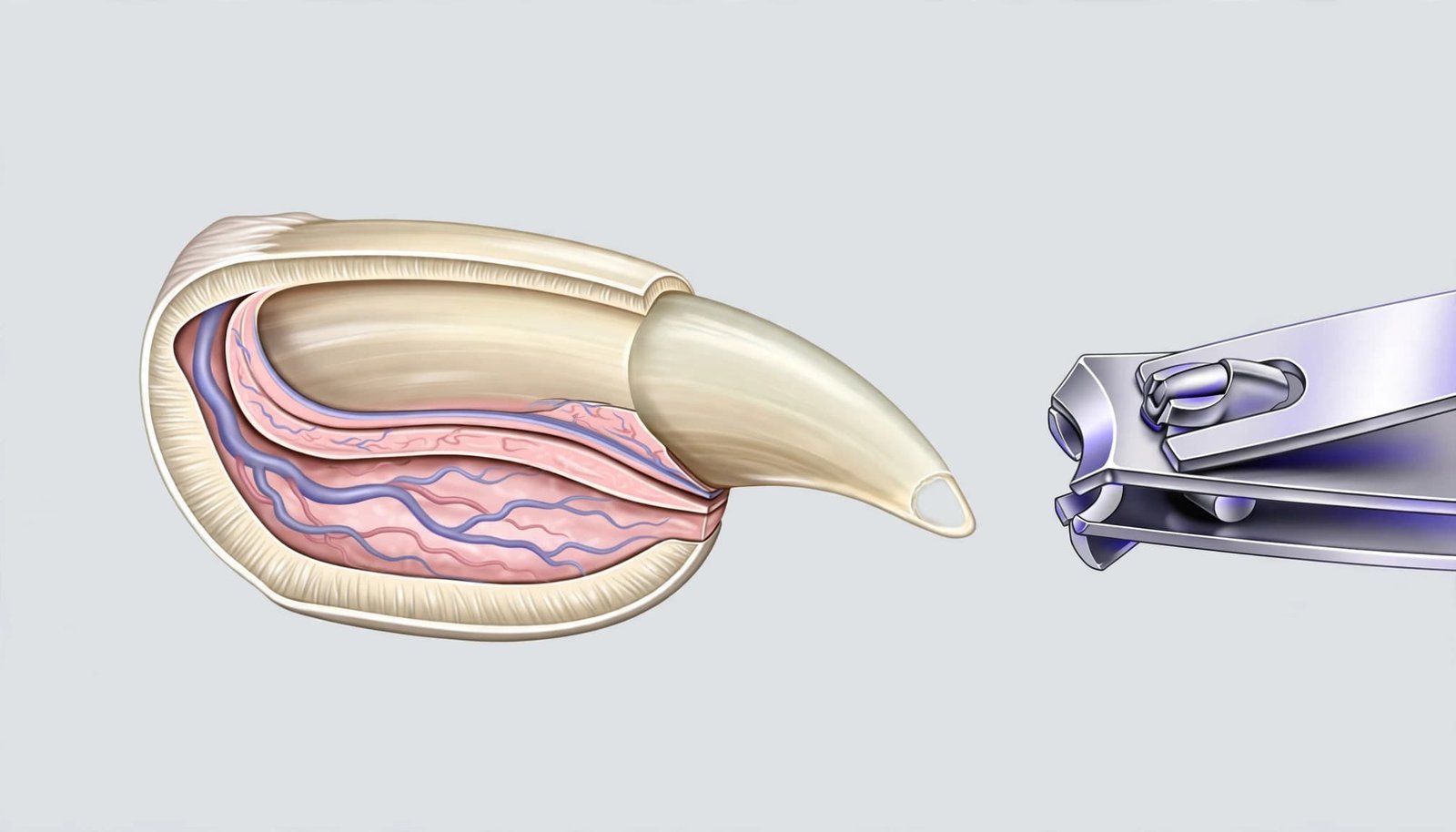
The quick contains blood vessels and nerves, so cutting it causes pain and bleeding. In pale nails, you can often see it as a pink area inside the nail.
VCA’s dog nail-trimming instructions recommend leaving about 2 to 3 millimeters between the cut and the quick. That margin applies when you can identify the quick clearly.
For dark nails, remove only the very tip because you can’t see the quick through the shell. If you’re unsure where to cut, have your veterinarian or groomer demonstrate on your companion.
Make the First Clip Small
Keep the leg in a natural position rather than pulling it sideways or twisting the paw upward. Then follow this short sequence:
- Gently support the paw and separate the surrounding hair so you can see the nail.
- Position the clippers at the tip, clear of skin and the quick.
- Remove a small amount with one controlled cut.
- Release the paw and give a treat immediately.
- Continue only if they remain comfortable.
Remember the dewclaws, which sit higher on the leg and may not wear down during walks. Inspect every paw, but don’t assume each nail needs the same amount removed.
Avoid chasing a perfectly short finish. With overgrown nails, the quick may extend farther forward than you expect, so shortening them may require several sessions.
Read Stress Signals Before You Continue
Pause Before Your Dog Struggles
Watch for repeated paw withdrawal, trembling, a stiff body, or attempts to leave. Lip licking, yawning, and turning away can also suggest discomfort when they appear during handling.
Pause and release the paw rather than tightening your grip. At the next session, return to an easier step, such as touching the leg or briefly showing the clippers.
Food doesn’t cancel out fear or pain. If your pet keeps pulling away while eating, the handling still needs to change.
A pet that stays still can still be frightened. Watch their whole body, rather than treating stillness as permission to continue.
Get Help for Fear or Possible Pain
Sudden resistance to familiar paw handling deserves veterinary attention, especially with limping, swelling, licking, or a damaged nail. Don’t assume your dog is being stubborn.
For persistent fear, work with your veterinarian and a qualified reward-based trainer on gradual handling practice. VCA’s guidance on stressful nail trims also describes veterinary sedation for dogs whose long nails need attention without a struggle.
Only your veterinarian should prescribe medication for this purpose. Don’t give human sedatives or leftover pet medication.
Handle a Nicked Quick Without Rushing
If you cut the quick, stop trimming and gently apply clean gauze with steady pressure. Pet styptic powder can help control minor nail bleeding when you follow its label.
Keep your companion calm and avoid repeatedly lifting the gauze to inspect the nail. End the session rather than trying to finish the remaining paws.
PDSA’s veterinary nail-cutting advice explains that the quick can bleed heavily and feel very painful. Seek prompt veterinary help for heavy bleeding, a torn nail, or bleeding that continues after 10 minutes of steady pressure.
Don’t punish a startled reaction. Pain can make future paw handling harder, so restart with easier practice after the nail has recovered.
Set a Nail Schedule Separate From Haircuts
Inspect your doodle’s nails weekly. Some companions benefit from small trims every week or two, while others need longer intervals because their nails grow or wear differently.
Look at the nails while your companion stands naturally, and watch for curling, altered footing, or nails catching on fabric. Clicking on hard floors is a useful clue, but it shouldn’t be your only guide.
Don’t wait automatically for a full grooming appointment. A six-to-eight-week haircut schedule may leave too much time between nail checks for your individual dog.
Keep nail care alongside brushing and your doodle bathing routine, without making every grooming task one long session. In a multi-doodle home, track each dog’s needs separately rather than trimming everyone by the same calendar.
Keep Paw Mats Out of Nail Sessions
Tangled paw hair can hide nails and make handling uncomfortable. Follow a gentle doodle mat-prevention routine, and never cut skin-tight mats with household scissors.
Heavy mat removal is separate professional work. In a grooming video, Chewbacca, a doodle who hadn’t been groomed for six months, needed another shave down after also being stripped short at the previous visit.
The groomer used Heinigers clippers with a size 10 blade and short strokes to keep the blade even against the skin. They pre-shaved before bathing, then blow-dried and finished with a No. 7 blade against the hair’s growth.
The groomer described matted shave-downs as time-consuming work that rapidly dulls blades. They also explained that customers can underestimate this time-consuming labor, which contributes to the price.
Their observation that matted dogs often enjoy the bath after removal reflects the relief they see once tight hair is gone. It isn’t a reason to attempt a shave-down at home.
For nail care, the useful lesson is simple: don’t add painful detangling to a session that already worries your companion.
Know When Professional Nail Care Makes Sense
You don’t have to master every grooming task yourself. A professional demonstration can help you see the safe cutting point and learn a comfortable way to support your companion’s paw.
For budgeting, DogsDogsDogs’ published grooming-cost guide gives a standalone nail-trim estimate of $10 to $20. Treat that as one published estimate, not a universal salon or veterinary fee.
Clipping and grinding are routine options. Mobile pet grooming adds convenience, but it isn’t medical care. Sedation or treatment for an injured nail requires veterinary care beyond a routine trim.
A short introductory appointment may suit a worried companion better than combining nails with a full bath and haircut. Choose handling that respects pauses and discomfort, rather than speed alone.
Find Arizona Grooming Options Without Assuming Fit
If you live in Arizona, the Doodle Groomer Directory lists grooming businesses in Scottsdale, Apache Junction, Arlington, Ash Fork, Avondale, Benson, and Buckeye. Salon entries include street addresses, while many other listings use the label “Mobile Groomer” for mobile pet grooming.
Rebel Clips – Mobile Dog Grooming lists dog nail trims as a service. A directory listing, however, doesn’t establish how any groomer handles a fearful pet.
For an anxious doodle, prioritize a provider who explains their handling approach and stops when your pet becomes distressed. A mobile visit removes the salon trip, but your pet’s response to the groomer and tools still matters.
Use a veterinary team when pain, injury, severe fear, or possible biting makes routine grooming unsafe.
Frequently Asked Questions
Should Your Senior Doodle Stand for Nail Trimming?
Your older pet may feel more comfortable sitting or lying on a supported, nonslip surface. Avoid holding a leg high or expecting prolonged standing if joint discomfort makes that difficult.
New trouble rising, limping, or sensitivity during paw handling calls for veterinary assessment before you continue.
Do All Doodle Mixes Need the Same Routine?
No single breed label predicts nail growth, coat texture, or comfort with handling. Your Double Doodle and your neighbor’s Goldendoodle may need different trimming intervals and practice steps.
Likewise, a smaller dog doesn’t automatically need less support. Adjust the session to the individual in front of you.
Build Comfort One Session at a Time
Less stressful doodle nail trims depend on small, comfortable steps, a clear view of the nail, and a willingness to stop. Finishing all four paws matters less than keeping handling manageable.
Begin with one brief paw touch and a reward. When your companion is ready, progress to one careful clip, then let their comfort guide what happens next.